
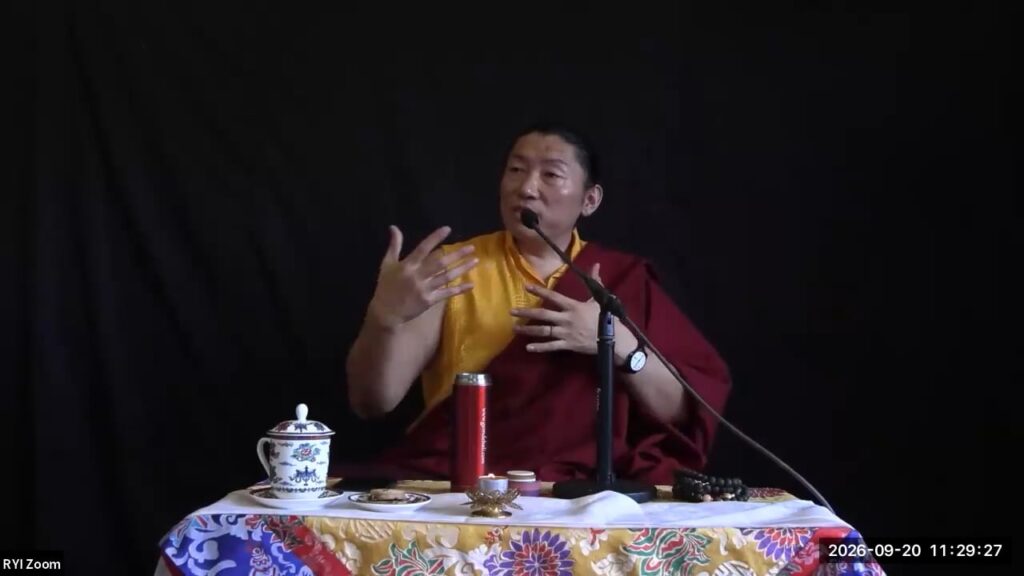
Welcome to Samye Institute
A clear path for authentic Dharma practice
Buddhist teachings and practices for dignity, transformation, and realization. Guided by Phakchok Rinpoche.
Become a StudentBegin Your Journey
Phakchok Rinpoche has created three complementary Pathways to provide clear guidance for lifelong study and practice. Explore the Samye Pathways, deepen your practice through Core Pathway Courses, and join the global Samye community through online and in-person events.

Explore the Samye Pathways
Discover three complementary pathways that bring clarity and direction to your study and practice.

Deepen Your Practice
Core Pathway Courses integrate study, contemplation, and practice, with clear guidance on what to practice and what comes next.

Join a Practice Event
Join online and in-person practice opportunities to deepen your practice and connect with the Samye community.
The Samye Pathways
The Samye Pathways bring together courses, teachings, and practice opportunities into three connected journeys. Each pathway offers a distinct yet complementary approach to lifelong learning and practice.

The Path of Dignity
Recognize your innate dignity and cultivate compassion, wisdom, and the qualities that support a meaningful and connected life.

The Path of Transformation
Develop greater wellbeing, emotional balance, and compassion through meditation and practical methods that support everyday life.
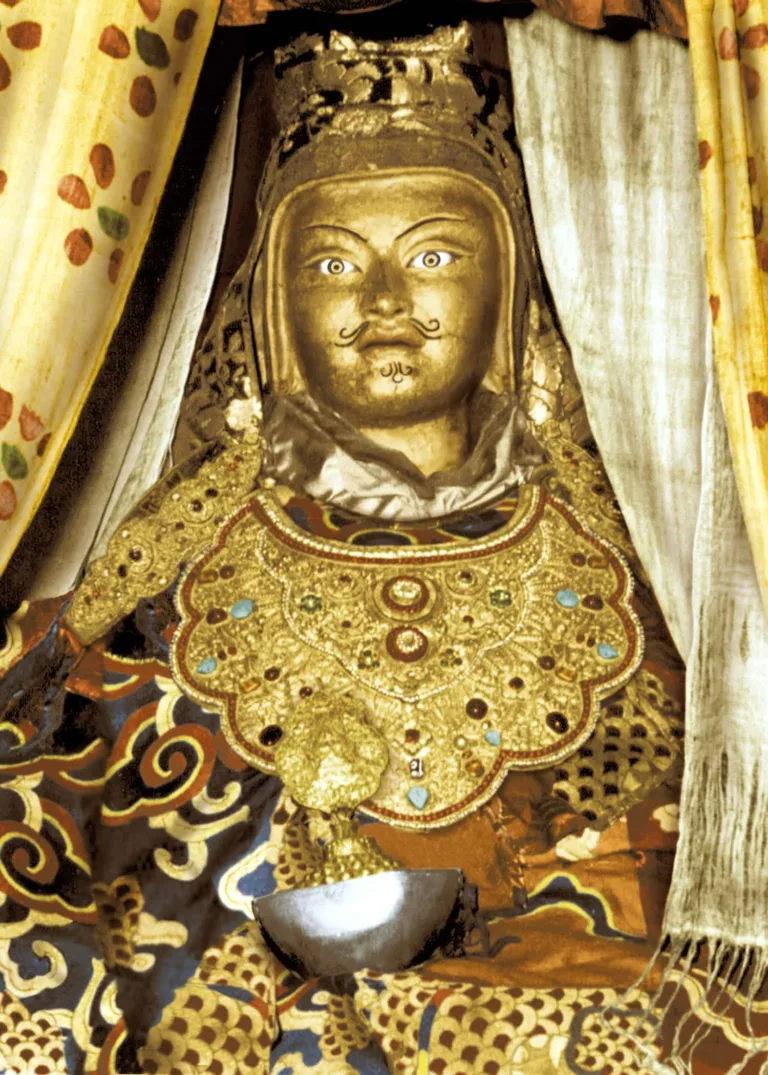
The Path of Realization
Follow the Vajrayana Buddhist path through authentic teachings, meditation, and the gradual cultivation of wisdom and realization.
Guided by Phakchok Rinpoche
A lineage holder and teacher within the Chokgyur Lingpa tradition, Phakchok Rinpoche guides students through progressive pathways of authentic Dharma practice, supporting both traditional study and modern application.
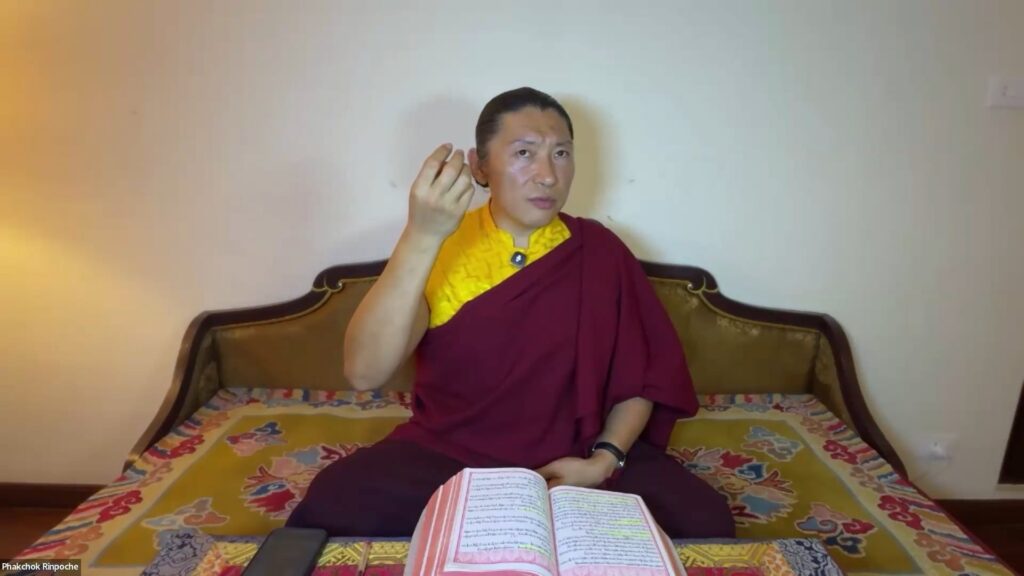
In this video, Rinpoche introduces the three student pathways: The Path of Dignity, the Path of Transformation, and the Path of Realization.
Core Courses
Structured learning designed to support each of the Samye Pathways.


Have a Question About Your Practice?
Members can ask questions about their practice and receive guidance from one of our experienced Samye Instructors.
Our instructors may consult with Phakchok Rinpoche or a senior Drupla if necessary to ensure you get the advice you need to practice correctly.

Practice Events
Join live teachings, retreats, courses, and practice gatherings that deepen your understanding through shared learning, meditation, and authentic connection.



Become a Samye Student
Sign up nowSupport the current and future activities of Samye Institute by becoming a Student. You’ll receive access to our full library of audio and video teachings, practice supports, courses and materials, along with exclusive events and teachings.
Full and partial scholarships available.
Latest Teaching Collections

Playlist: The Twelve Manifestations of Guru Rinpoche
Short teachings from Phakchok Rinpoche on the Twelve Manifestations of Guru Rinpoche, according to the Chokling Tersar tradition.

Playlist: The Transcendent State of Wisdom in Eight Thousand Lines
Phakchok Rinpoche guides students step by step through The Transcendent State of Wisdom in Eight Thousand Lines, a sutra on the Perfection of Wisdom.

Playlist: A Liberation Upon Hearing
In this teaching series collection, Phakchok Rinpoche gives detailed teachings on the four bardos.

Playlist: King of Aspiration Prayer
A collection of audio recordings of Phakchok Rinpoche’s teachings on the King of Aspiration Prayer.

Playlist: Receiving Vajrayana Empowerments
In this collection, Phakchok Rinpoche teaches on the importance of the four empowerments.

Playlist: The Four Obscurations
It is crucial for us as Vajryana students to understand what prevents us from seeing the true nature. In Buddhist terms, we speak of Four Obscurations.
FAQ
Q: Which pathways should I enter if I have previous meditation practice experience in another tradition such as MNSR or Vipassana meditation?
Phakchok Rinpoche emphasizes the importance of developing a good character. He suggests that all students even with prior experience should spend several months working through the Path of Dignity and engaging in the self-reflections in that program. From there, one can move on to the Path of Transformation and engage in well-being, compassion, and meditation elements from Mahamudra Level One.
Q: If I have previous meditation experience does Phakchok Rinpoche ask me to do the entire 1 year of Path of Transformation to hear how Rinpoche presents the material?
Even if a student has previous meditation training, it is recommended that one spends at least several months studying, reflecting, and practicing the training of Mahamudra Level One. Phakchok Rinpoche reminds us that building a strong foundation will allow us to progress quickly and without obstacles.
Q: What approval is required to move from Mahamudra Level One to Level Two? What is the process?
There is no “formal” approval process. Once a student completes a year of study and authentic practice of Mahamudra Level One, the student may enroll in Mahamudra Level Two. A year is meant to give you time to engage in study, self-reflection, and dedicated meditation. If practice is sporadic, with many breaks, then the course will take more time. Each individual should be honest with themselves. Phakchok Rinpoche emphasizes the importance of spending at least six months with non-focused meditation training.
Q: If I have already had empowerment in another tradition, does Phakchok Rinpoche want me also to enter the path of Transformation to receive his specific meditation instructions? Or do I just enter the Path of Realization?
Phakchok Rinpoche emphasizes a strong foundation in meditation practice. If you have taken Vajrayana empowerment but have not spent at least six months practicing non-focus meditation training, it is recommended that you also enroll in the Path of Transformation to follow the Mahamudra meditation courses. If you have significant meditation experience, you can do an abbreviated form of these courses by reviewing the material and practicing according to the instructions for a few months.
Q: What transmissions and/or empowerments are available for the Path of Realization, and how and when are those received?
Tukdrup Barché Künsel empowerments are given regularly during Phakchok Rinpoche’s teaching tours. Other masters from the Chokling Tersar also regularly give these empowerments.
Q: Will Phakchok Rinpoche offer the pointing-out instructions online?
No. Phakchok Rinpoche has stated that the guru and student must come together in one location for this to be effective.
Q: Am I required to complete a Ngöndro before entering Mahayoga practice?
The best results come from completing a personal ngöndro (100,000 + 10 percent) of each practice. If a student has the time and diligence to complete this is the preferred method. For students who are very short of time, one can accumulate in a group ngöndro and then enter Mahayoga practice.